Twitter Marketing Trends: What’s Shaping the Platform in 2025
Key Takeaways
- Video content now dominates 80% of Twitter user sessions with 29% growth in daily video views during 2024
- AI-driven ad personalization is delivering $2.70 ROI for every dollar spent, outperforming other social platforms
- Influencer marketing on Twitter is projected to reach $32.55 billion in 2025, with creator earnings exceeding $20 million
- Long-form content is experiencing explosive growth with 150,000 new posts generating 3 billion daily impressions
- Community engagement has surged 300% since May 2023, making niche audience targeting more effective
The landscape of twitter marketing trends has undergone a dramatic transformation since the platform’s rebrand to X. As we navigate 2025, marketers are discovering unprecedented opportunities to connect with their target audience through innovative strategies that leverage the platform’s evolving capabilities. The shift from traditional text-based marketing strategy to multimedia-rich, AI-powered campaigns represents a fundamental change in how brands approach social media marketing.
Twitter users are spending more time on the platform than ever before, with monthly active users reaching new heights and engagement patterns shifting toward more immersive content experiences. This evolution has created a unique environment where social media platforms must adapt their marketing efforts to meet changing audience preferences while maintaining the real time conversations that make Twitter distinctive from other social media platforms.
Understanding these twitter marketing trends is crucial for social media managers looking to enhance brand awareness, drive website traffic, and generate leads through their twitter marketing campaigns. From the rise of video content to sophisticated AI-powered targeting, the current landscape offers both challenges and opportunities for brands seeking to maximize their twitter marketing efforts.
The Video Content Revolution on Twitter
Video content has become the cornerstone of successful twitter marketing strategy in 2025, appearing in over 80% of user sessions and representing the most significant shift in how twitter users consume content. This transformation has been driven by a 29% increase in daily video views throughout 2024, fundamentally changing how brands approach content creation and audience engagement.
Short, high-resolution video ads are particularly effective at capturing attention and driving engagement, making them a key tactic for brands looking to stand out in crowded feeds.
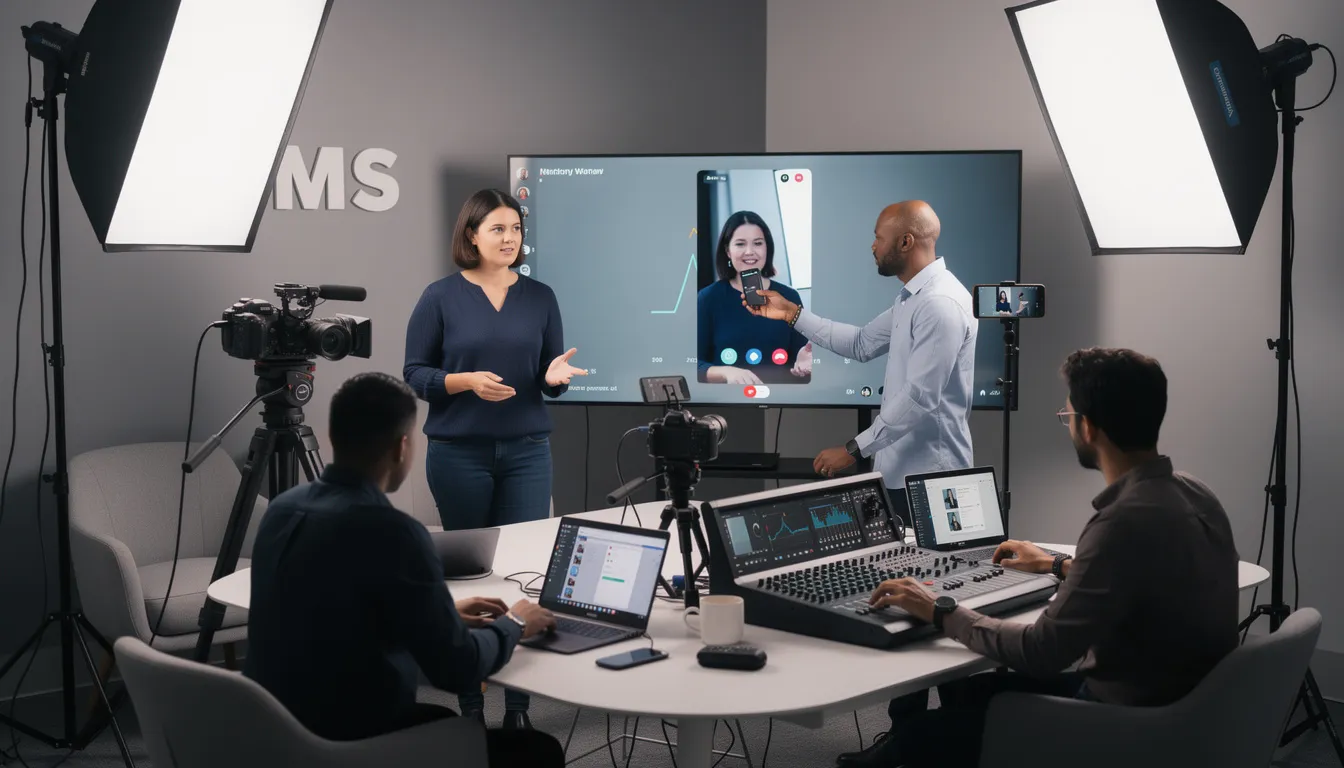
The dominance of video content reflects broader changes in user behavior, with twitter users preferring visual content over traditional text-based posts. Brands that have embraced video-first strategies are seeing dramatic improvements in their engagement rate and overall twitter presence. Using interactive and visual content features, such as polls and high-quality videos, can significantly boost engagement on the platform. Native video content consistently outperforms repurposed content from other platforms, suggesting that twitter users value authenticity and platform-specific approaches to social media posts.
Emerging formats like live videos, twitter spaces, and interactive video ads are reshaping the twitter platform landscape. These innovations provide new opportunities for brands to create engaging content that drives meaningful audience engagement. Social media managers are discovering that promotional content performs significantly better when delivered through video formats, particularly when integrated with trending conversations and real time events.
The shift toward video-heavy twitter marketing campaigns has also influenced ad spend allocation, with brands investing more heavily in video ad formats that deliver measurable results. Analytics tools show that video content generates higher click-through rates and better conversion metrics compared to traditional text-based promoted tweets, making video an essential component of any comprehensive social media strategy.
AI-Powered Personalization and Advertising
Artificial intelligence has revolutionized twitter advertising in 2025, with users spending 26% more time viewing Twitter ads compared to other social media platforms. AI has transformed Twitter into a powerful marketing tool for brands, enabling them to reach targeted audiences more effectively. This increased engagement stems from AI-driven audience segmentation that enables precise targeting based on user behavior, interests, and real time conversations.
The financial impact of AI-powered personalization is substantial, with brands achieving $2.70 in return for every dollar spent on twitter ads. This superior ROI compared to other platforms has attracted increased ad spend from companies seeking to maximize their digital marketing budgets. Advanced algorithms analyze twitter data to identify optimal posting times, content themes, and target audience segments with unprecedented accuracy.
Dynamic ad formats powered by AI prevent ad fatigue by automatically adjusting creative elements based on user engagement patterns. This technology enables twitter advertising to remain fresh and relevant, even when reaching the same users multiple times. Automated content optimization has become a game-changer for ad campaigns, allowing brands to test and refine their messaging in real time.
Predictive analytics integrated into the twitter platform help brands anticipate trending topics and prepare content that aligns with emerging conversations. This capability gives marketing teams a competitive advantage in capturing attention during peak engagement windows. Social media managers can now leverage these insights, using analytics and optimal posting times to maximize engagement, and craft engaging content that resonates with specific audience preferences while maintaining brand identity.
The Rise of Twitter Communities and Niche Marketing
Twitter communities have experienced explosive growth, with engagement increasing 300% since May 2023, fundamentally changing how brands approach niche marketing strategy. These specialized groups enable companies to build authentic connections with highly targeted segments of their audience, moving beyond broad demographic targeting toward micro-community engagement.
The power of community-driven marketing lies in its ability to foster genuine relationships between brands and twitter users. Companies participating in relevant communities can establish thought leadership, provide valuable content, and engage in meaningful conversations that enhance brand awareness without appearing overly promotional. Building communities and encouraging user-generated content fosters brand loyalty by making audiences feel valued and involved. This organic approach to audience engagement has proven more effective than traditional advertising methods.

Brands are discovering that community participation requires a different approach to social media management, emphasizing authentic interaction and organic engagement over polished marketing messages. Successful twitter marketing efforts within communities focus on adding value through industry insights, answering questions, and participating in discussions rather than pushing promotional content. Organic engagement is especially valuable for building authentic relationships and community trust, making it a cost-effective strategy for deepening audience connection.
Advanced community management tools are emerging to help brands monitor conversations, identify key influencers, and track sentiment within specific communities. These analytics tools provide crucial data for refining marketing strategy and ensuring that community engagement aligns with broader business objectives. The result is more targeted twitter marketing campaigns that generate higher quality leads and stronger brand loyalty.
Influencer Marketing Evolution on Twitter
The influencer marketing landscape on Twitter is projected to reach $32.55 billion in 2025, driven by the platform’s creator monetization program that has already paid over $20 million to content creators. This substantial investment in creator economics has attracted high-quality influencers and transformed how brands approach influencer partnerships.
A significant shift toward micro-influencers is reshaping twitter marketing trends, with these smaller creators delivering higher engagement rates and more authentic connections with their followers. Unlike mega-influencers who may have broad but shallow reach, micro-influencers often maintain closer relationships with their audiences, resulting in better conversion rates for twitter marketing campaigns. Incorporating customer testimonials into influencer campaigns can further enhance credibility and build trust with potential consumers, as positive feedback from real customers reinforces the authenticity of the brand message.
Long-term partnership models are replacing traditional one-off sponsored posts, creating more sustainable relationships between brands and creators. These extended collaborations allow for more organic integration of products and services into creators’ content, making promotional messages feel less intrusive to twitter users. Revenue-sharing models through tipping and subscription features provide creators with additional income streams while giving brands more flexible partnership options.
Advanced analytics are improving influencer ROI tracking, enabling brands to measure the true impact of their influencer partnerships beyond basic engagement metrics. Social media managers can now track conversions, website traffic, and sales directly attributed to specific influencer collaborations. This data-driven approach helps optimize ad spend and identify the most effective creator partnerships for future campaigns.
Long-Form Content Emergence
The introduction of long-form content capabilities has created new opportunities for brands to establish thought leadership, with 150,000 new long-form posts generating over 3 billion daily impressions. This dramatic shift challenges the traditional twitter marketing strategy focused exclusively on concise messaging, opening doors for more comprehensive storytelling.
Brands are leveraging extended content formats to share detailed industry insights, comprehensive analysis, and in-depth educational content that positions them as authorities in their respective fields. This approach to content creation allows companies to address complex topics that couldn’t be adequately covered in traditional tweet formats, providing more value to their target audience.
The integration of long-form content with traditional tweet strategies creates a more comprehensive approach to social media marketing. Companies can use regular tweets to highlight key points from longer articles, driving traffic to more detailed content while maintaining their presence in real time conversations. This multi-layered approach maximizes the reach and impact of each piece of content.
AI-powered content recommendations are improving the discoverability of long-form posts, helping quality content reach relevant audiences even without extensive promotion. Educational content and detailed industry analysis are gaining particular traction, as twitter users seek more substantial information amid the platform’s traditionally fast-paced environment. This trend toward deeper content consumption represents a maturing of the platform and its user base.
Real-Time Customer Engagement Trends
Real-time customer engagement has become a defining characteristic of successful twitter marketing efforts, with brands facing growing expectations for instant responses and immediate customer service. The platform’s real time conversations capability makes it an ideal channel for customer support, crisis management, and moment-based marketing campaigns.
Crisis management strategies have evolved to leverage Twitter’s immediacy for reputation monitoring and rapid response protocols. Brands must now maintain constant vigilance over their twitter presence, ready to address issues before they escalate. Social listening tools integrated with real-time alerts enable marketing teams to identify potential problems and respond proactively.
Live event marketing through twitter spaces and moment-based campaigns has created new opportunities for brands to engage audiences during peak attention periods. Companies are discovering that participating in trending conversations requires agility and authenticity, moving away from heavily scripted responses toward more genuine interaction styles.

Customer service expectations on Twitter have intensified, with users expecting responses within hours rather than days. This demand for immediate engagement has led many companies to dedicate specific teams to twitter account management, ensuring consistent availability and response quality. The integration of customer service with marketing efforts creates opportunities to convert service interactions into positive brand experiences that enhance customer loyalty.
Brand Safety and Trust Building
Twitter has maintained impressive 99% brand safety scores through enhanced content moderation and AI-powered filtering systems, addressing previous concerns about advertiser confidence. This improvement has contributed to over 1,700 advertisers returning to the platform, including 90 of the top spending brands, signaling renewed trust in the platform’s advertising environment.
Enhanced content moderation through sophisticated AI systems has created a more predictable and safe environment for brand advertising. Companies can now utilize customizable brand safety controls for precise ad placement, ensuring their content appears only in appropriate contexts. These tools give marketing teams greater confidence in their ad campaigns while protecting brand reputation.
Transparency reports and regular communication with advertisers have played crucial roles in rebuilding confidence among major brands. The platform’s commitment to providing detailed analytics and safety metrics helps justify ad spend and demonstrates accountability. Social media managers now have access to comprehensive reporting that tracks not only performance metrics but also brand safety compliance.
The combination of improved safety measures and returning advertisers has created a more stable advertising ecosystem. Key metrics show increased advertiser satisfaction and longer campaign durations, indicating that brands are viewing Twitter as a viable long-term component of their digital marketing strategy rather than a experimental channel.
Cross-Platform Integration and Multi-Channel Strategies
Successful brands are increasingly coordinating their twitter marketing campaigns with broader multi-channel strategies, recognizing that modern consumers interact across multiple social media platforms simultaneously. Creating a consistent brand story across platforms, including X (Twitter), is essential for cohesive marketing. This integrated approach maximizes reach while maintaining consistent brand messaging across different channels and audience segments.
X (Twitter)’s role in driving website traffic has grown significantly, with ad impressions increasing 20% year-over-year as brands leverage the platform’s real-time nature to direct users to their websites, landing pages, and e-commerce platforms. As a key platform for cross-channel integration, the integration with shopping platforms has enabled shoppable content features that streamline the path from discovery to purchase.
Cross-platform content repurposing strategies have become more sophisticated, with brands adapting content for Twitter’s unique format while maintaining consistency with their broader social media strategy. This approach maximizes content investment while respecting the distinct characteristics that twitter users expect from the platform.
Unified social media management platforms are gaining popularity as they enable seamless coordination between Twitter and other social media platforms. These tools allow social media managers to schedule tweets, monitor engagement across channels, and track cross-platform campaign performance from a single dashboard, improving efficiency and strategic alignment.
Interactive Content and Engagement Features
Interactive content formats have driven a 35% increase in ad engagement, with Twitter polls, live streaming integration, and gamification elements becoming essential components of effective marketing strategy. Hashtag campaigns, such as promoting branded hashtags in collaboration with influencers, can significantly increase brand visibility and encourage user participation. These features transform passive content consumption into active participation, creating deeper connections between brands and their target audience.
The integration of live streaming through twitter spaces has opened new possibilities for customer Q&As, product launches, and educational sessions. Participating in Twitter chats is also valuable for fostering collaboration and boosting engagement within the Twitter community. Brands are discovering that live interaction creates authentic moments that build trust and demonstrate expertise. These real time conversations often generate user generated content that extends the reach of original campaigns.

Augmented reality and innovative ad formats are emerging as powerful tools for creating memorable brand experiences. These technologies enable interactive promotional content that entertains while educating audiences about products and services. Early adopters of these formats are seeing significant improvements in engagement rates and brand recall metrics. Tracking genuine Twitter followers and focusing on authentic follower growth is crucial for improving your social media strategy and ensuring meaningful engagement.
Gamification elements in brand campaigns have proven particularly effective at driving audience engagement and encouraging repeated interactions. Twitter marketing campaigns that incorporate contests, challenges, and interactive elements consistently outperform static content in terms of reach and engagement. Incorporating pop culture references into your content can make it more relatable, humorous, and engaging, especially for younger audiences. These strategies also generate valuable twitter data about audience preferences and behavior patterns.
Using polls on Twitter is an effective way to gauge customer preferences and gather actionable insights, helping brands tailor their content and campaigns more effectively.
Utilizing Twitter Lists helps marketers track important conversations and engage with key accounts more easily, streamlining community management and outreach.
Engagement is the heart and soul of a successful Twitter marketing strategy.
Trending Topics and Hashtags: Maximizing Visibility in 2025
In 2025, harnessing the power of trending topics and hashtags is a cornerstone of any successful twitter marketing strategy. As the platform continues to thrive on real time conversations, brands that actively monitor and participate in trending conversations are able to significantly boost their visibility and connect with their target audience in meaningful ways.
A forward-thinking marketing strategy on Twitter involves more than just posting regular updates—it requires tapping into the pulse of what’s happening now. By aligning your twitter marketing efforts with trending topics and industry insights, you can position your brand at the center of the conversations that matter most to your audience. This not only helps drive website traffic but also serves to enhance brand awareness and establish your brand as a thought leader within your industry.
To maximize the impact of trending hashtags, social media managers should leverage analytics tools and social listening platforms to identify emerging trends relevant to their niche. Crafting engaging content that incorporates these trending topics allows brands to join high-visibility conversations, increasing the likelihood of their posts being discovered by new twitter users. Additionally, participating in trending conversations can amplify the reach of your twitter marketing campaigns, helping you stay ahead of competitors and maintain visibility in a fast-paced digital landscape.
Ultimately, integrating trending topics and hashtags into your twitter marketing strategy is essential for brands looking to remain agile and relevant on the platform. By staying attuned to real time conversations and leveraging industry insights, you can ensure your marketing efforts consistently drive engagement, attract new followers, and reinforce your brand’s presence on Twitter.
Data-Driven Marketing and Twitter Analytics
Advanced analytics tools are providing unprecedented insights into audience behavior, enabling more sophisticated targeting and optimization strategies. Real-time performance tracking allows marketing teams to adjust campaigns instantly based on emerging data, maximizing the effectiveness of their twitter marketing efforts throughout campaign lifecycles.
Predictive analytics capabilities help brands optimize content planning and timing, identifying optimal posting schedules and content themes based on historical performance data. Integration with CRM systems creates a comprehensive view of customer interactions across touchpoints, enabling more personalized engagement strategies that drive better conversion rates.
The sophistication of ROI measurement has improved dramatically, with attribution models that track customer journeys from initial twitter engagement through final conversion. These tools help justify ad spend and optimize budget allocation across different campaign types and targeting strategies. Social media managers can now demonstrate clear connections between twitter marketing activities and business outcomes.
Twitter analytics integration with broader marketing platforms enables holistic campaign evaluation that considers the platform’s role within larger marketing funnels. This comprehensive approach helps brands understand how their twitter presence contributes to overall marketing objectives, leading to more strategic investment in twitter advertising and content creation efforts.
FAQ
What type of content is performing best on Twitter in 2025?
Video content is dominating Twitter in 2025, appearing in over 80% of user sessions with a 29% increase in daily video views. Long-form content is also experiencing explosive growth, with 150,000 new posts generating 3 billion daily impressions. Interactive content like polls and Twitter Spaces are driving significant engagement increases, while native video content consistently outperforms repurposed content from other platforms.
How is AI changing Twitter marketing strategies?
AI is revolutionizing Twitter marketing through personalized ad targeting, which has resulted in users spending 26% more time viewing ads compared to other platforms. AI-driven audience segmentation, dynamic ad formats, and predictive analytics are helping brands achieve better ROI, with Twitter delivering $2.70 for every dollar spent on ads. Automated content optimization and trend prediction capabilities are enabling more strategic and timely campaign execution.
Why are Twitter Communities becoming important for brands?
Twitter Communities have seen 300% growth in engagement since May 2023, allowing brands to connect with highly targeted, niche audiences. This trend enables more authentic community participation and relationship building, moving away from broad demographic targeting toward micro-community engagement strategies. Brands can establish thought leadership and build genuine connections through valuable content and meaningful conversations within relevant communities.
What role do influencers play in current Twitter marketing trends?
Influencer marketing on Twitter is projected to reach $32.55 billion in 2025, with Twitter’s creator monetization program having paid over $20 million to creators. The trend is shifting toward micro-influencers with higher engagement rates and long-term partnerships, supported by revenue-sharing models and advanced ROI tracking tools. These changes create more authentic brand partnerships and better conversion rates compared to traditional one-off sponsored content.
How important is real-time engagement for Twitter marketing success?
Real-time engagement has become crucial, with brands expected to provide instant responses and participate in moment-based campaigns. Twitter’s real-time nature makes it ideal for crisis management, live event marketing, and customer service, with features like Twitter Spaces enabling immediate customer interaction and feedback collection. Companies are dedicating specific teams to maintain constant availability and response quality, converting service interactions into positive brand experiences.

![Buy Twitter Followers OR Get Free Auto Twitter Followers? [Dilemma solved]](https://tweetfull.com/blog/wp-content/uploads/2020/07/Buy-Twitter-Followers-OR-Get-Free-Auto-Twitter-Followers_Dilemma-solved-768x316.png)