
How to Hit Jackpot with Twitter Promotions?
Introduction to Twitter Advertising
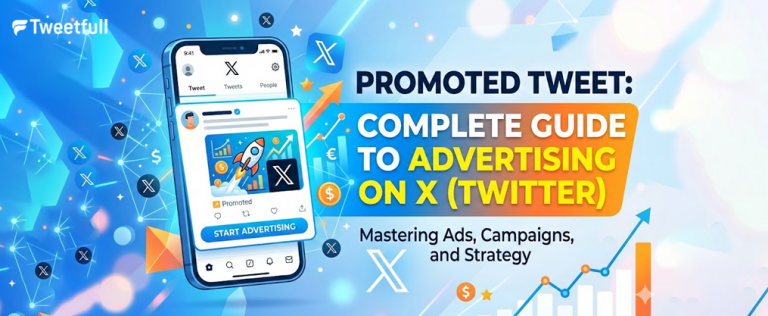
Twitter paid promotion is a powerful tool for businesses looking to expand their reach and achieve diverse marketing goals. By leveraging Twitter ads, companies can connect with a larger audience through various ad formats such as promoted tweets, promoted accounts, and promoted trends. These advertising options enable brands to increase their visibility, drive traffic to websites, and generate valuable leads.
One of the key advantages of Twitter advertising lies in its precise targeting options. Advertisers can target users based on demographics, interests, behaviors, and even keywords, ensuring that their ads reach the right audience. Twitter’s ad platform also provides advanced analytics and deep insights, allowing marketers to measure engagement, track performance, and optimize campaigns for better results. This level of precision helps maximize ad spend efficiency, making Twitter an attractive ad platform for businesses of all sizes, including marketing teams.
Moreover, Twitter offers a comprehensive suite of features to help businesses create effective campaigns. Key features include flexible bidding strategies, diverse ad placements, and robust analytics. From flexible bidding strategies to diverse ad placements—including user feeds and search results—Twitter’s ad platform provides the tools necessary to tailor campaigns that align with specific business goals and supports Twitter marketing strategies.
Other tools can also be integrated with Twitter to further enhance campaign management and analytics.
Setting Up a Twitter Ads Account
To begin harnessing the benefits of Twitter paid promotion, businesses first need to set up a Twitter ads account. This process is straightforward and can be completed quickly by linking an existing Twitter account—also referred to as connecting your social account—for seamless integration with the advertising platform. Once set up, the ads account grants access to the ads dashboard—a centralized hub with a user friendly interface where advertisers can create, manage, and monitor their campaigns.
Within the ads dashboard, businesses can manage multiple Twitter accounts efficiently from a single location. They can define their target audience by selecting from a variety of targeting parameters including location, interests, and device types. This ensures that campaigns are directed toward the right users who are most likely to engage with the ads. Setting up multiple ad groups within a single campaign is also possible, allowing for testing different creatives or targeting options simultaneously.
Having a dedicated Twitter ads account is essential for businesses aiming to leverage Twitter advertising effectively. It provides the tools and insights needed to manage campaigns efficiently and track performance against marketing goals. Note that some advanced functionalities may require paid plans.
Creating Effective Ad Campaigns with a Twitter Strategy
Creating effective Twitter advertising campaigns requires a clear understanding of your target audience, knowledge of the best time to tweet, and well-defined campaign objectives. Optimizing your X marketing efforts involves not only setting clear goals but also leveraging tools that help deliver content at the right moments. Incorporating post scheduling and scheduling posts ensures your content reaches Twitter users at optimal times for maximum impact.
Promoted tweets are among the most popular formats, appearing directly in users’ feeds and blending seamlessly with organic content. For businesses looking to showcase video content, video ads provide an engaging way to capture attention and boost video views. Carousel ads allow advertisers to display multiple images or videos within a single ad, ideal for highlighting various products or features. Automated publishing features help keep your feed active by allowing you to publish posts automatically, ensuring consistent content delivery even during busy periods.
When planning content, consider using evergreen content to maintain ongoing engagement and extend the lifespan of high-performing social posts. This approach helps keep your audience engaged over time.
Targeting options on Twitter are robust, enabling advertisers to reach users based on keywords, interests, behaviors, and even follower look-alikes. This level of targeting makes your ads more relevant to the people who matter most, boosting both engagement and conversion potential. Understanding audience behavior and analyzing insights into how Twitter users interact with your content can further inform and refine your campaign strategies.
By aligning campaign objectives with the appropriate ad formats and targeting strategies, businesses can create effective campaigns that not only drive initial clicks but also foster long-term customer relationships. Monitoring post performance, engagement monitoring, and the ability to track conversations are essential for optimizing campaigns and improving future results.
Twitter Scheduling and Automation
Efficient Twitter scheduling and automation are essential for any robust social media strategy, especially when managing multiple Twitter accounts. By leveraging automation tools, businesses and individuals can maintain a consistent posting schedule, ensuring their Twitter presence remains active and engaging even outside of regular working hours. Scheduling tweets in advance not only saves time but also reduces the constant manual effort required to keep feeds active, making it easier to execute a well-planned Twitter strategy.
Automation tools like Sprout Social and Hootsuite are particularly valuable for social media teams, as they support Twitter and offer features such as scheduling content, tracking engagement metrics, and managing multiple posts across different accounts. These platforms streamline Twitter interactions by automating responses to common queries and allowing users to plan campaigns ahead of time. Even Twitter’s own web app now includes basic scheduling capabilities, making it accessible for users on a free plan or those just starting out.
By integrating automation into your social media management, you can ensure a steady flow of content, improve audience engagement, and free up time to focus on more strategic marketing efforts. This approach is especially beneficial for businesses aiming to scale their Twitter presence and manage multiple client accounts efficiently.
Content Creation and Calendar
A well-organized content calendar is the backbone of any successful Twitter presence. By planning and scheduling tweets in advance, businesses can ensure their social media strategy remains consistent and aligned with broader marketing goals. Using a content calendar helps teams coordinate campaigns, schedule posts around key events, and maintain a steady stream of engaging content tailored to their Twitter audience.
Tools like Buffer and SocialPilot make it easy to create posts, add images or videos, and schedule them for optimal times. These platforms also provide basic analytics, allowing users to track how tweets perform and adjust their content calendar based on audience engagement and emerging trends. This data-driven approach ensures that every tweet supports your overall social media objectives and resonates with your followers.
By leveraging a content calendar and the right tools, businesses can streamline their social media management, maintain a consistent posting schedule, and foster audience growth through relevant, timely, and engaging content.
Audience Engagement and Interaction
Building a strong Twitter presence goes beyond just posting content—it requires active engagement and meaningful interactions with your audience. Responding promptly to tweets, direct messages, and brand mentions demonstrates that your business values its followers and is attentive to their needs. Social listening tools like Agorapulse and Sendible offer a unified social inbox, making it easy to manage conversations and track brand mentions across multiple accounts from the same dashboard.
These tools enable businesses to monitor Twitter conversations, join relevant discussions, and respond to customer queries in real time. By tracking brand mentions and participating in trending topics, companies can showcase their expertise and strengthen relationships with their Twitter audience. Proactive engagement not only boosts customer satisfaction but also helps in gaining traction and expanding your reach within the Twitter community.
Ultimately, consistent and thoughtful interaction is key to building a loyal following and enhancing your brand’s reputation on Twitter.
Bidding and Budgeting
Understanding Twitter’s bidding and budgeting system is crucial for maximizing the return on investment from paid promotion. Advertisers set a maximum bid for their campaigns, which determines how much they are willing to pay for a billable action such as link clicks or video views. Twitter offers various bidding strategies, including automatic bid—where the platform optimizes bids to get the best results within the advertiser’s budget—and target bid, which allows for more manual control.
Setting a daily budget helps businesses manage their ad spend and ensures campaigns run within financial limits. This control over budget allocation is particularly important for small to medium-sized businesses that need to balance marketing costs with overall business goals.
By carefully selecting bidding strategies and monitoring ad spend, advertisers can optimize campaigns to achieve their marketing goals without overspending.
Tracking and Optimizing Performance with Basic Analytics
One of the strengths of Twitter advertising is the detailed insights available through the ads dashboard. This platform provides comprehensive metrics such as impressions, link clicks, video views, and conversions, allowing businesses to track campaign performance in real time.
Regularly monitoring these metrics enables advertisers to identify which ads and targeting options are delivering the best results. By tracking post performance and analyzing audience behavior, businesses can gain a clearer understanding of what content resonates most and how users interact with their posts, helping to refine future campaigns for better engagement and results. Adjustments can then be made to refine targeting parameters, tweak creatives, or modify bidding strategies to improve overall campaign effectiveness.
Optimizing campaigns based on performance data ensures that businesses get the most out of their Twitter advertising efforts. This ongoing process helps maintain alignment with marketing goals and adapt to changing audience behaviors.
Best Practices for Twitter Promotions
To truly maximize the impact of your Twitter promotions, it’s important to follow proven best practices that drive engagement and boost visibility. Start by using relevant hashtags to increase the discoverability of your tweets, and tag influential accounts or partners to expand your reach. Tools like Hashtagify and RiteTag can help identify trending and effective hashtags tailored to your industry or campaign.
Timing is also crucial—posting when your audience is most active can significantly improve engagement rates. Analytics dashboards provide actionable insights into optimal posting times and help track how different types of content perform. Focus on creating high-quality, engaging content that encourages interaction, such as Twitter polls, questions, or multimedia posts. Additionally, take advantage of Twitter’s features like Twitter Moments to curate and highlight key topics or events.
By combining these best practices with a data-driven approach, businesses can create Twitter promotions that not only capture attention but also drive meaningful results and conversions.
Common Mistakes to Avoid
While managing a Twitter account, it’s easy to fall into common pitfalls that can undermine your Twitter strategy and hinder follower growth. One major mistake is inconsistent posting, which can cause your audience to lose interest and slow down audience growth. Another is neglecting to track key performance metrics—without monitoring engagement rates and follower trends, it’s difficult to measure the effectiveness of your marketing efforts or refine your approach.
Relying too heavily on automation tools that generate low-quality or irrelevant content can also damage your brand’s reputation and lead to a loss of followers. Additionally, failing to engage with your audience—such as ignoring direct messages or not responding to mentions—can make your brand appear unresponsive and disconnected. Overlooking Twitter’s features like hashtags and tagging further limits your reach and visibility.
By staying aware of these common mistakes and focusing on authentic engagement, consistent posting, and data-driven decision-making, businesses can strengthen their Twitter presence and ensure their marketing efforts deliver the desired results.
Aligning with Business Goals and Twitter Performance
Ultimately, the success of Twitter paid promotion depends on how well campaigns align with broader business objectives. Whether the aim is to increase brand awareness, drive more traffic, or generate new customers, Twitter’s advertising solutions can be tailored to meet these specific needs.
By selecting the right campaign objectives and leveraging Twitter’s diverse ad formats and targeting options, businesses can create marketing campaigns that directly support their goals. For example, promoted accounts can help businesses gain more followers, while website cards are effective for driving link clicks and conversions.
Consistent monitoring and optimization ensure that Twitter advertising campaigns remain aligned with business goals, delivering tangible results and maximizing the impact of ad spend. As many advertisers have found, Twitter is a powerful tool for reaching potential customers and expanding reach across social media platforms.
In summary, Twitter paid promotion offers businesses a versatile and effective way to reach the right audience, drive engagement, and achieve marketing goals. By setting up a Twitter ads account, creating well-targeted campaigns, managing bidding and budgets wisely, and continuously optimizing performance, businesses can maximize their presence on this dynamic social platform and generate meaningful results.