
How Does the Twitter Algorithm Work?
As a Twitter user, perhaps you might ask yourself some questions as you stream through the platform. Have you ever wondered why Twitter always recommends something for you? Well, sometimes, or probably most of the time, you get suggestions of things you’d probably want to come around while browsing. However, sometimes it makes you angry that Twitter determines what content you wish to view on the platform. The X/Twitter algorithm significantly influences what users do and do not see relative to their independent choices in the accounts they follow.
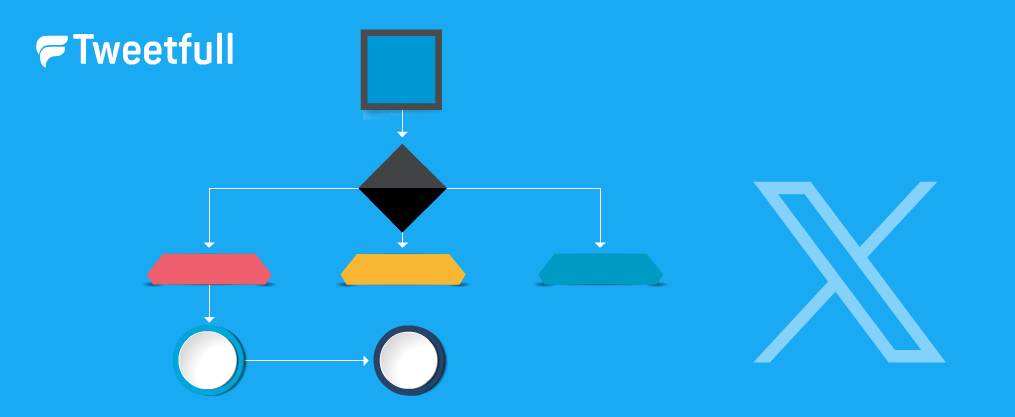
Just like algorithms on other social media platforms, the Twitter algorithm works in a way that curates and prioritizes content based on your engagement and preferences, using similar strategies to boost user interaction and content relevance. The Twitter (X) algorithm personalizes a user’s feed using a pipeline of candidate sourcing, ranking, and filtering.
So this is what the Twitter feed algorithm is. To explain how the algorithm works, the x algorithm (also known as the x twitter algorithm) uses multiple calculations and probabilities within the database to give you, as the user, the best options of content that you would like to have. Sometimes, they reflect on what a majority of people have liked, shared, or retweeted, while at times, in other sections (we’ll get to that later on in the article), it tends to be personalized. The algorithm gathers a large pool of potential tweets from both followed and trending accounts for the curation process. While this Twitter algorithm has got users with different takes to it, let’s learn some history of where it has come from.
Social platforms, including X/Twitter and other social media platforms, use algorithms to personalize user feeds and influence what content is most visible and engaging.
The Evolution of the Twitter Algorithm
Over the years, Twitter as a social media platform has grown to improve the usability of the platforms and made things better and easier for the users. The evolution of the Twitter algorithm reflects the need to tailor content strategies to the particular platform, as each social media site has unique features and audience behaviors. Several years ago, you wouldn’t be using the platform as you do now, and users who have been to the platform for the longest time will attest to that. Half of U.S. adults get their news at least sometimes from social media, and 52% of X/Twitter users regularly turn to this platform for news updates. So what has been the journey of Twitter-like? What is the history of the Twitter algorithm and the evolution it has gone through?
In different years, Twitter has upgraded its algorithm to make the platforms more user-friendly. It has made several changes that get adjustments over time. Some of the transformations of the Twitter feed algorithm over the years are;
a) Twitter Feed 1.0
It was introduced in 2006, and it used to display Tweets in a reversed chronological order. This was the first Twitter feed algorithm move made on the platform.
b) Twitter Recommendations
This was introduced back in 2014, marking the beginning of Twitter‘s use of a recommendation algorithm to personalize user feeds. It began showing recommended tweets, accounts, and topics to Twitter users on their feeds.
c) While You Were Away
In 2015, ‘While You Were Away‘ was introduced, which was to precede ‘In Case You Missed It’ that was introduced later on. These were part of the recommended tweets and were selected based on users’ past interactions, such as previous likes and retweets, along with agreement and other factors.
d) Reordered Timelines
2016 saw a reorder to the alignment of users’ feeds, driven by algorithm ranking signals that prioritize tweets based on relevance and engagement. This was algorithmically restructuring timelines that caused ‘Top Tweets’ pushed to the top of users’ feeds.
e) Relevant Models and ICYMI
This was more of a revelation on how Twitter works out the algorithms to give suggestions. It was disclosed in 2017 when it announced that it scores tweets using a relevant model which is users based, taking into account individual user preferences and behaviors, and uses interactions, recency, and engagements. In the same year, ‘While You Were Away’ was replaced by ‘In Case You Missed It (ICYMI).
f) Top Tweets vs. Latest Tweets
This brought a somewhat better variety of options as users could choose between top tweets and the latest tweets. This combination of both a chronological order feed and an algorithm feed was introduced in 2018, with the ‘latest tweets’ option allowing users to prioritize recent content in their feed.
g) Customizable Timelines and Topics
In 2019, there were more options for a Twitter user. While streaming in the platform, you got the opportunity to swap times to as many as five different lists. In November, on the same year, Twitter introduced the Topics feature to make it easier for users to follow up on conversations. This Topic section contained users, ads, tweets, and events of various topics, helping users keep up with trending topics and current events across the platform.
Like any other social media platform, the Twitter feed algorithm is based on personalization. For the ultimate results to be presented to a user, the platform uses a machine-learning algorithm that monitors and calculates most of the results.
In this case, some of the things to address include:
- What does the user prefer?
- What do they enjoy following on the platform?
- How often do they use the platform?
- Do they engage in conversations, or are they usually in the follow-up section?
- What topics seem best for them?
- Do they need help in anything?
- What type of accounts have they followed or are following the user?
Such questions pose most of the calculations and results to the results you get on your feed after the algorithm has done its work. It is more of what the user enjoys most on the platform because that drives them to keep in touch with the other users and engage or stream more on the platform. That’s the depth personalization can go. However, there are particular aspects put in place before the results are included in your feed. So what are these signals?
The Twitter Timeline Ranking Signals
Twitter timeline ranking signals are the determinants of content and the hierarchy they get on users’ feeds. These ranking signals tend to work out the best options that might work for the user. It includes the factors such as the locations, followers, and importance of the information. They tend to give the feed the best options you can get concerning what you like and enjoy. Additionally, algorithm filters are used to exclude certain content, such as spam or repetitive posts, to improve user experience. High engagement actions like replies and retweets receive a higher boost in visibility than likes.
These timeline ranking signals include:
a) Recency
This is where time matters. If you’re looking to get the whole concept about a conversation, this ranking signal will point out the tweets that began the particular discussion. However, it can also go the other way, where if you are looking for updates, then the signal will reach out to the possible latest information concerning a matter. Recent content and breaking news are prioritized by the algorithm to keep users informed about current events.
b) Relevance
This timeline signal considers the applicability of what you’re looking for. For instance, if you search about a matter or a user, you will get the relevant results of the keywords you used. It also considers how often users engage on the particular case that you want to know more about. A tweet that addresses the specific content a user prefers will rank first n the recommendations. Engaging with relevant content and participating in relevant trends can improve a tweet’s ranking.
c) Engagement
This is where the importance and relevance of the tweets matter. It is often evident from retweets, impressions, favorites, and clicks that a tweet will get. This will rank it higher than any other tweet related to the same keyword. Moreover, it also considers other tweets of the particular users whose tweets get more engagement. It tests how often the engagements happen and the kind of impression these leading tweets give to other users. High engagement and maximum engagement are key factors in achieving more visibility and reaching a broader audience.
d) Rich Media
It’s often recommended that the use of media helps in engagement and interaction on the platform. Rich media such as GIF, video, images, and polls are also considered for the best results and better ranking. Tweets with better quality images or videos and GIFs that draw cheerful humor tend to get more interaction. Users who engage their followers in polls also get recognition because it earns them points in the ranking order. Using the right content types, such as visual content, can drive engagement and improve how content performs on the x platform.
e) Other Factors
There are additional factors that influence the kind of ranking that particular tweet might get. The accounts with many followers are likely to rank better because it has a more extensive crowd, guarantee engagement and probably full of relevance. It’s not usual to find an account with fewer followers unless verified, ranking high in recommendations. Creating content with popular hashtags and trending hashtags can help your post content reach a broader audience.
The location of the account is of great importance. For instance, if you are a US user who follows up on politics, then unless you get updates on what the politicians in the States are saying, it will be of no use if you get content from another county. The location makes it better for a user to get the kind of content close to them.
The algorithm also surfaces out of network tweets to diversify users’ feeds and expose them to fresh content. Content that keeps users on the platform is rewarded, while external links in main tweets are penalized.
Creating Engaging Content with Rich Media
On the X (Twitter) platform, creating engaging content is key to standing out in users’ feeds and reaching a wider audience. The Twitter algorithm is designed to prioritize posts that spark more engagement, and one of the best ways to achieve this is by using rich media. Incorporating images, videos, GIFs, and even polls into your posts can make your content more eye-catching and interactive compared to plain text posts. Experiment with different formats—such as carousels, short video clips, or live streams—to see what resonates most with your audience. High-quality visuals and clear captions or subtitles can help your message get across quickly, even as users scroll through their usual feed. By consistently adding rich media to your content strategy, you’ll not only boost your chances of being ranked higher by the algorithm but also drive more engagement and attract a wider audience on X Twitter.
Building Account Credibility
Account credibility plays a major role in how your content is ranked and displayed in users’ feeds on X Twitter. When users and the platform trust your account, your posts are more likely to be seen and engaged with. To build account credibility, focus on sharing quality content that’s relevant to your specific audience and post consistently. Engage with your followers by replying to comments, joining conversations, and using relevant hashtags to connect with broader topics and trends. If you’re eligible, applying for account verification can further boost your credibility and visibility. Avoid posting spammy or low-quality content, as this can harm your reputation and cause the algorithm to filter out your posts. By establishing yourself as a reliable and authentic presence on the platform, you’ll increase your reach and foster stronger connections with other users.
Understanding Twitter Analytics
To maximize engagement and refine your content strategy on X Twitter, it’s essential to understand and utilize Twitter analytics. The platform provides a range of key metrics, including engagement rates, follower growth, and how individual posts perform. By regularly reviewing your analytics data, you can identify which types of content users typically engage with, spot trends in your audience’s behavior, and see what drives the most interaction. For proven strategies to get more likes and retweets and boost your Twitter performance, consider proven approaches that go beyond analytics. Use these insights to adjust your posting schedule, experiment with new content formats, and set measurable goals for follower growth and engagement rates. Tracking your progress over time helps you make informed decisions, ensuring your content remains relevant and effective in reaching your target audience.
Avoiding Common Mistakes
Avoiding common mistakes is crucial for maintaining visibility and driving more engagement on X Twitter. One frequent error is posting repetitive or low-quality content, which can lead the algorithm to deprioritize your posts and limit your reach. Another pitfall is neglecting to engage with your audience—ignoring comments or failing to join conversations can harm your account credibility and reduce your presence in users’ feeds. Using irrelevant or spammy hashtags can also cause your content to be filtered out, preventing it from reaching a wider audience. To avoid these issues, focus on sharing quality content, use relevant hashtags thoughtfully, and interact with your followers regularly. By following these best practices, you’ll work with the algorithm to increase your visibility, attract new followers, and keep your audience engaged on the platform.
Closing Remarks
The Twitter algorithm is meant to make the platform user-friendly and informative to all the people on the platform. It provides the best suggestion, gives you updates, and ensures you get to know the most trending stuff in the world. However, sometimes things might not go as you would wish because some suggestions might be contrary to what you are looking for, but you get to learn even more for the better part. The X/Twitter algorithm was found to present users with information that was milder and overall less polarizing than the chronological timeline.
On the other hand, if you’re looking to make your account rank higher in the recommendations, then you have to consider the best tips to add on followers because it’s a necessary step. You can use an auto liker and auto follower tool to increase your reach. This will ensure that you get more retweets and increase engagement in your account. Additionally, make sure to post content that is strategic and engaging, as high-quality post content is essential for improving your chances of ranking higher in recommendations. If you’re looking to get more real Twitter followers, following best practices is crucial.

![Buy Twitter Followers OR Get Free Auto Twitter Followers? [Dilemma solved]](https://tweetfull.com/blog/wp-content/uploads/2020/07/Buy-Twitter-Followers-OR-Get-Free-Auto-Twitter-Followers_Dilemma-solved-768x316.png)