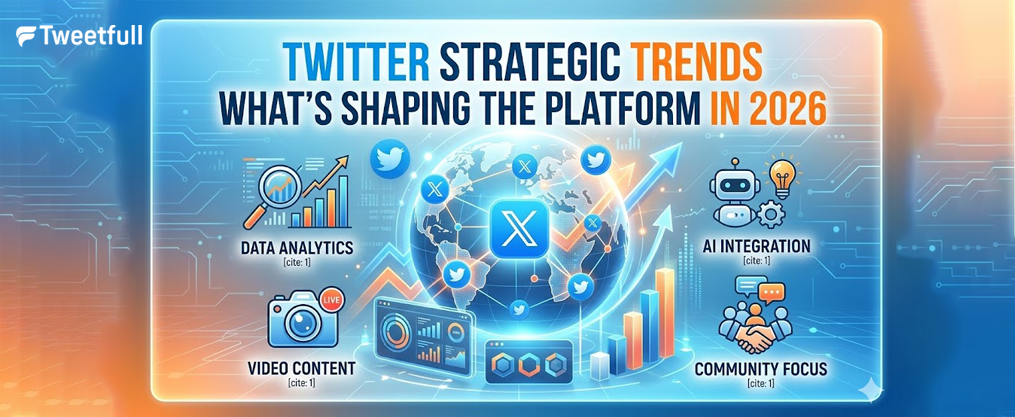
Twitter Strategic Trends: What’s Shaping the Platform in 2026
This article is designed for social media managers, marketers, and brand strategists seeking to stay ahead in the rapidly evolving world of Twitter (now X) marketing. As the platform continues to transform, understanding the latest Twitter strategic trends is essential for anyone aiming to maximize brand visibility, engagement, and business growth in 2026. This article explores the most important Twitter strategic trends shaping the platform in 2026 for brands and marketers, providing actionable insights and data-driven recommendations.
Understanding Twitter strategic trends matters because it empowers businesses to adapt their marketing strategies, capitalize on emerging opportunities, and maintain a competitive edge. By staying informed about what’s working on Twitter, brands can enhance their marketing success, drive website traffic, and foster lasting customer relationships.
Summary: Key Twitter Strategic Trends for 2026
Below is a quick-reference table summarizing the most important Twitter strategic trends for 2026. These trends are supported by industry data and best practices, ensuring your marketing strategy is aligned with what’s driving results on the platform.
Trend | Description |
|---|---|
Video Content Dominance | Video is the cornerstone of engagement, appearing in 80%+ of sessions and driving conversions. |
AI-Powered Personalization | AI enables precise targeting, dynamic ad formats, and real-time content optimization. |
Community Building | Twitter communities foster authentic connections and niche engagement for brands. |
Trending Topics Engagement | Joining trending conversations boosts visibility and brand awareness. |
Analytics-Driven Strategies | Advanced analytics and social listening tools guide content planning and campaign timing. |
Influencer & Micro-Influencer Marketing | Long-term, authentic partnerships drive higher engagement and ROI. |
Real-Time Customer Engagement | Instant responses and live event participation enhance customer loyalty and brand trust. |
User-Generated Content | Interactive features, polls, and contests encourage participation and deepen engagement. |
Introduction to Twitter Marketing
Twitter marketing has become an indispensable pillar of social media marketing, offering brands a dynamic platform to connect with their target audience, enhance brand awareness, and drive website traffic. In today’s fast-paced digital landscape, Twitter users are constantly engaging with trending conversations and emerging trends, making it essential for businesses to stay agile and relevant. By joining trending conversations and leveraging trending hashtags, brands can significantly boost their visibility and reach a wider audience.
Crafting engaging content that resonates with Twitter users is at the heart of any successful Twitter marketing strategy. This involves not only sharing timely updates but also using relevant keywords and participating in discussions that matter to your audience. Analytics tools play a crucial role in this process, providing valuable insights into what content performs best and how users interact with your brand. By continuously monitoring these insights, marketers can refine their approach, ensuring their messaging aligns with audience interests and maximizes meaningful engagement.
Ultimately, effective Twitter marketing is about more than just broadcasting messages—it’s about creating engaging content, fostering authentic connections, and staying ahead of emerging trends with a strategic Twitter marketing plan for business growth to ensure your brand remains top-of-mind in a crowded social media landscape.
As Twitter’s landscape evolves, it’s crucial for marketers to understand the strategic trends shaping the platform in 2026. The following sections break down these trends and provide actionable strategies for success.
The Video Content Revolution on Twitter
Why Video Content Matters
The dominance of video content reflects broader changes in user behavior, with Twitter users preferring visual content over traditional text-based posts. Engagement rates for text-only posts are generally lower compared to tweets that include video or other visual elements, highlighting the importance of incorporating visuals to maximize reach and interaction.
Brands that have embraced video-first strategies are seeing dramatic improvements in their engagement rate and overall Twitter presence. Using interactive and visual content features, such as polls and high-quality videos, can significantly boost engagement on the platform.
Native vs. Repurposed Video
Native video content consistently outperforms repurposed content from other platforms, suggesting that Twitter users value authenticity and platform-specific approaches to social media posts.
Native Video Content | Repurposed Video Content |
|---|---|
Higher engagement and authenticity | Lower engagement, less platform relevance |
Optimized for Twitter’s format and audience | May not fit Twitter’s unique style |
Drives better conversion and click-through | Less likely to resonate with Twitter users |
Interactive Visual Features
- Polls, GIFs, and high-resolution videos increase engagement.
- Video content generates higher click-through rates and better conversion metrics compared to traditional text-based promoted tweets.
- Engaging with trending topics through video can amplify the reach of your Twitter marketing campaigns.
As video content continues to shape engagement, AI-powered personalization is further transforming how brands connect with audiences on Twitter.
AI-Powered Personalization and Advertising
AI-Driven Audience Segmentation
Artificial intelligence has revolutionized Twitter advertising in 2026, with users spending 26% more time viewing Twitter ads compared to other social media platforms. AI-driven audience segmentation enables precise targeting based on user behavior, interests, and real-time conversations.
Dynamic Ad Formats
Dynamic ad formats powered by AI prevent ad fatigue by automatically adjusting creative elements based on user engagement patterns. Promoted accounts are also leveraged as part of AI-powered advertising strategies, helping brands increase their visibility, grow followers, and participate in trending conversations to boost overall engagement.
Predictive Analytics for Marketers
Predictive analytics integrated into the Twitter platform help brands anticipate trending topics and prepare content that aligns with emerging conversations. Social media managers can now leverage these insights, using analytics and optimal posting times to maximize engagement, and craft engaging content that resonates with specific audience preferences while maintaining brand identity.
As AI continues to refine targeting and content optimization, brands are also turning to community building for deeper, more authentic engagement.
The Rise of Twitter Communities and Niche Marketing
What Are Twitter Communities?
Twitter communities are specialized groups within the platform where users with shared interests gather to discuss topics, share content, and build relationships. Participating in relevant Twitter communities allows brands to establish thought leadership and build authentic connections with highly targeted segments of their audience.
Community Building and Engagement
Community building is essential for fostering long-term engagement and loyalty, as it encourages ongoing discussions, user-generated content, and strategic interactions that strengthen relationships within specific groups. Building communities and encouraging user-generated content fosters brand loyalty by making audiences feel valued and involved.
Tools and Strategies for Community Management
- Advanced community management tools help brands monitor conversations, identify key influencers, and track sentiment within specific communities.
- Analytics tools provide crucial data for refining marketing strategy and ensuring that community engagement aligns with broader business objectives.
- Hosting Twitter chats and responding promptly to comments and mentions enhances community engagement and builds trust.
The power of community-driven marketing lies in its ability to foster genuine relationships between brands and Twitter users. As brands deepen their community engagement, influencer marketing is evolving to complement these efforts.
Influencer Marketing Evolution on Twitter
The influencer marketing landscape on Twitter is projected to reach $32.55 billion in 2026, driven by the platform’s creator monetization program that has already paid over $20 million to content creators. This substantial investment in creator economics has attracted high-quality influencers and transformed how brands approach influencer partnerships.
A significant shift toward micro-influencers is reshaping Twitter marketing trends, with these smaller creators delivering higher engagement rates and more authentic connections with their followers. Incorporating customer testimonials into influencer campaigns can further enhance credibility and build trust with potential consumers.
Long-term partnership models are replacing traditional one-off sponsored posts, creating more sustainable relationships between brands and creators. Revenue-sharing models through tipping and subscription features provide creators with additional income streams while giving brands more flexible partnership options.
Advanced analytics are improving influencer ROI tracking, enabling brands to measure the true impact of their influencer partnerships beyond basic engagement metrics.
As influencer marketing becomes more data-driven and authentic, brands are also leveraging long-form content to establish thought leadership.
Long-Form Content Emergence
The introduction of long-form content capabilities has created new opportunities for brands to establish thought leadership, with 150,000 new long-form posts generating over 3 billion daily impressions. Brands are leveraging extended content formats to share detailed industry insights, comprehensive analysis, and in-depth educational content that positions them as authorities in their respective fields.
The integration of long-form content with traditional tweet strategies creates a more comprehensive approach to social media marketing. Companies can use regular tweets to highlight key points from longer articles, driving traffic to more detailed content while maintaining their presence in real-time conversations.
AI-powered content recommendations are improving the discoverability of long-form posts, helping quality content reach relevant audiences even without extensive promotion.
As long-form content matures on Twitter, real-time customer engagement remains a defining feature of successful marketing strategies.
Real-Time Customer Engagement Trends
Real-time customer engagement has become a defining characteristic of successful Twitter marketing efforts, with brands facing growing expectations for instant responses and immediate customer service. The platform’s real-time conversations capability makes it an ideal channel for customer support, crisis management, and moment-based marketing campaigns.
The Role of Social Listening Tools
Social listening tools can monitor conversations across Twitter, identifying emerging trends before they fully break through. These tools help brands stay ahead of potential issues, track sentiment, and discover new opportunities for engagement by analyzing what users are saying in real time.
Crisis management strategies have evolved to leverage Twitter’s immediacy for reputation monitoring and rapid response protocols. Live event marketing through Twitter Spaces and moment-based campaigns has created new opportunities for brands to engage audiences during peak attention periods.
Customer service expectations on Twitter have intensified, with users expecting responses within hours rather than days. The integration of customer service with marketing efforts creates opportunities to convert service interactions into positive brand experiences that enhance customer loyalty.
As brands master real-time engagement, ensuring brand safety and trust is more important than ever.
Brand Safety and Trust Building
Twitter has maintained impressive 99% brand safety scores through enhanced content moderation and AI-powered filtering systems, addressing previous concerns about advertiser confidence. Enhanced content moderation through sophisticated AI systems has created a more predictable and safe environment for brand advertising.
Companies can now utilize customizable brand safety controls for precise ad placement, ensuring their content appears only in appropriate contexts. Transparency reports and regular communication with advertisers have played crucial roles in rebuilding confidence among major brands.
The combination of improved safety measures and returning advertisers has created a more stable advertising ecosystem. As trust in the platform grows, brands are increasingly integrating Twitter into their broader marketing strategies.
Cross-Platform Integration and Multi-Channel Strategies
Successful brands are increasingly coordinating their Twitter marketing campaigns with broader multi-channel strategies, recognizing that modern consumers interact across multiple social media platforms simultaneously. Creating a consistent brand story across platforms, including X (Twitter), is essential for cohesive marketing.
X (Twitter)’s role in driving website traffic has grown significantly, with ad impressions increasing 20% year-over-year. Cross-platform content repurposing strategies have become more sophisticated, with brands adapting content for Twitter’s unique format while maintaining consistency with their broader social media strategy.
Unified social media management platforms are gaining popularity as they enable seamless coordination between Twitter and other social media platforms. These tools allow social media managers to schedule tweets, monitor engagement across channels, and track cross-platform campaign performance from a single dashboard.
As brands refine their multi-channel approach, user-generated content and engagement features are becoming central to Twitter marketing success.
User Generated Content and Engagement Features
Interactive Content Formats
Interactive content formats have driven a 35% increase in ad engagement, with Twitter polls, live streaming integration, and gamification elements becoming essential components of effective marketing strategy. Hashtag campaigns, such as promoting a branded hashtag in collaboration with influencers, can significantly increase engagement, promote brand identity, and encourage user participation.
Live Streaming and Twitter Spaces
The integration of live streaming through Twitter Spaces has opened new possibilities for customer Q&As, product launches, and educational sessions. Participating in Twitter chats is also valuable for fostering collaboration and boosting engagement within the Twitter community.
Gamification and Contests
Gamification elements in brand campaigns have proven particularly effective at driving audience engagement and encouraging repeated interactions. Twitter marketing campaigns that incorporate contests, challenges, and interactive elements consistently outperform static content in terms of reach and engagement.
Tracking genuine Twitter followers and focusing on authentic follower growth is crucial for improving your social media strategy and ensuring meaningful engagement, especially when supported by an A to Z Twitter marketing and tools framework.
As engagement features evolve, leveraging trending topics and hashtags remains a powerful way to maximize visibility.
Trending Topics and Hashtags: Maximizing Visibility in 2026
What Are Trending Conversations?
Trending conversations on Twitter are high-visibility, real-time discussions centered around popular topics, hashtags, or breaking news. Joining trending conversations means actively participating in these discussions as they happen, which can significantly boost visibility and engagement for brands.
Why and How to Join Trending Conversations
Brands should focus on adding value to trending conversations rather than simply joining for visibility. This means contributing meaningful insights, relevant content, or unique perspectives to avoid appearing opportunistic.
Step-by-Step: Leveraging Trending Topics
- Monitor Twitter’s Trending Section: Use analytics and social listening tools to identify relevant trending topics and hashtags.
- Assess Relevance: Ensure the trending topic aligns with your brand’s values and audience interests.
- Join Early: Timing is crucial—early participation can lead to higher organic reach.
- Add Value: Share insights, visuals, or video content that contribute to the conversation.
- Track Performance: Use analytics tools to measure engagement and refine your approach for future trends.
Engaging with trending topics can enhance brand awareness, establish thought leadership, and drive website traffic. Remember, authenticity and value are key to successful participation in trending conversations.
As brands master trending topics, data-driven marketing and analytics become essential for ongoing optimization.
Data-Driven Marketing and Twitter Analytics
Advanced analytics tools are providing unprecedented insights into audience behavior, enabling more sophisticated targeting and optimization strategies that complement an A to Z guide to Twitter marketing for growth. Real-time performance tracking allows marketing teams to adjust campaigns instantly based on emerging data, maximizing the effectiveness of their Twitter marketing efforts throughout campaign lifecycles.
Predictive analytics capabilities help brands optimize content planning and timing, identifying optimal posting schedules and content themes based on historical performance data. Integration with CRM systems creates a comprehensive view of customer interactions across touchpoints, enabling more personalized engagement strategies that drive better conversion rates.
The sophistication of ROI measurement has improved dramatically, with attribution models that track customer journeys from initial Twitter engagement through final conversion. Twitter analytics integration with broader marketing platforms enables holistic campaign evaluation that considers the platform’s role within larger marketing funnels.
As analytics become more advanced, leveraging the right tools is critical for Twitter marketing success.
Essential Tools for Twitter Marketing
To excel in Twitter marketing, businesses must leverage a suite of essential tools designed to streamline content creation, scheduling, and performance analysis. Key tools include:
- Twitter Analytics: Track key metrics like engagement rates, audience behavior, and trending topics.
- Hootsuite: Schedule tweets, monitor trending topics, and manage multiple accounts from a single dashboard.
- Buffer: Streamline content scheduling and performance tracking.
- AI-driven solutions: Effortlessly generate and schedule tweets to keep content pipelines full.
- Content creation tools: Craft visually appealing and engaging content that stands out in busy feeds.
By integrating these essential tools into their workflow, businesses can maximize engagement, track performance against key metrics, and adapt quickly to shifts in audience behavior.
What type of content is performing best on Twitter in 2026?
Video content is dominating Twitter in 2026, appearing in over 80% of user sessions with a 29% increase in daily video views. Long-form content is also experiencing explosive growth, with 150,000 new posts generating 3 billion daily impressions. Interactive content like polls and Twitter Spaces are driving significant engagement increases, while native video content consistently outperforms repurposed content from other platforms.
How is AI changing Twitter marketing strategies?
AI is revolutionizing Twitter marketing through personalized ad targeting, which has resulted in users spending 26% more time viewing ads compared to other platforms. AI-driven audience segmentation, dynamic ad formats, and predictive analytics are helping brands achieve better ROI, with Twitter delivering $2.70 for every dollar spent on ads. Automated content optimization and trend prediction capabilities are enabling more strategic and timely campaign execution.
Why are Twitter Communities becoming important for brands?
Twitter Communities have seen 300% growth in engagement since May 2023, allowing brands to connect with highly targeted, niche audiences. This trend enables more authentic community participation and relationship building, moving away from broad demographic targeting toward micro-community engagement strategies. Brands can establish thought leadership and build genuine connections through valuable content and meaningful conversations within relevant communities.
What role do influencers play in current Twitter marketing trends?
Influencer marketing on Twitter is projected to reach $32.55 billion in 2026, with Twitter’s creator monetization program having paid over $20 million to creators. The trend is shifting toward micro-influencers with higher engagement rates and long-term partnerships, supported by revenue-sharing models and advanced ROI tracking tools. These changes create more authentic brand partnerships and better conversion rates compared to traditional one-off sponsored content.
How important is real-time engagement for Twitter marketing success?
Real-time engagement has become crucial, with brands expected to provide instant responses and participate in moment-based campaigns. Twitter’s real-time nature makes it ideal for crisis management, live event marketing, and customer service, with features like Twitter Spaces enabling immediate customer interaction and feedback collection. Companies are dedicating specific teams to maintain constant availability and response quality, converting service interactions into positive brand experiences.
Conclusion
In conclusion, Twitter marketing is a dynamic and ever-evolving discipline that demands a strategic blend of creativity, analytics, and adaptability. By embracing essential tools, crafting engaging content, and prioritizing meaningful engagement, brands can enhance brand awareness, drive website traffic, and generate leads in an increasingly competitive environment. Staying attuned to emerging trends—such as the rise of video content, AI-powered personalization, and the growth of Twitter Communities—is crucial for maintaining a strong Twitter presence.
Continuous monitoring of key metrics and audience behavior allows marketers to fine-tune their marketing efforts and ensure that their strategies remain effective. By focusing on crafting engaging content and leveraging the latest tools and insights, businesses can maximize their Twitter presence, boost engagement, and achieve measurable results. The key to long-term success lies in ongoing analysis, adaptation, and a commitment to meaningful engagement with your audience.