5 Simple Steps to Design a Stunning Twitter Background
If you want to make a lasting impression on Twitter, then having an optimized profile is essential. One key aspect of this is your Twitter background, which is the large banner image that sits behind your profile picture. In this article, we’ll explore everything you need to know about Twitter backgrounds, including how to create an optimized design that matches your brand, fits Twitter’s guidelines, and engages your followers. A strong brand message in your Twitter background can enhance brand recognition and storytelling, helping your profile stand out and connect with your audience.
What is a Twitter Background or Twitter Header?
A Twitter background is a large image that appears behind your profile picture and bio. It serves as a visual representation of your brand, personality, or message. Twitter backgrounds can range from simple patterns to intricate designs that incorporate text, images, and graphics. The key is to make sure your background complements your profile picture and header, as well as resonates with your target audience.
Why is Twitter Background Important?
A well-designed Twitter background can enhance your profile’s visual appeal, improve your credibility, and increase your follower count. It can also convey your message, story, or values in a compelling way. An optimized Twitter background shows that you care about your brand and are willing to put in the effort to create a cohesive online presence. A poorly designed background, on the other hand, can make your profile look unprofessional, cluttered, or spammy.
Introduction to Twitter Headers
Your Twitter header is more than just a background image—it’s the visual introduction to your Twitter profile. As the first thing visitors notice, a stunning Twitter header can instantly capture attention, communicate your message, and set the tone for your entire profile. A beautiful Twitter header is essential for completing your brand identity and growing your network. Whether you’re an individual looking to showcase your personality or a business aiming to boost engagement, a custom Twitter header is a powerful tool to make your profile stand out. With a wide range of Twitter header templates and easy-to-use design tools available, creating eye-catching headers has never been simpler. In this section, we’ll explore why Twitter headers matter and how you can use them to create a memorable first impression that truly reflects your brand or personal style.
Understanding Twitter Header Designs
To create visually appealing headers that truly represent your brand, it’s essential to understand the fundamentals of Twitter header designs. The recommended Twitter header dimensions are 1500×500 pixels, ensuring your header looks crisp and professional across all devices. Twitter also recommends that header images be under 2MB in size and in JPEG, PNG, or GIF formats. When designing a Twitter header, keep essential elements within a central ‘safe zone’ of approximately 1260 pixels wide by 380 pixels tall to prevent cropping. A well-crafted Twitter header design is fully customizable, allowing you to edit text, adjust colors, and incorporate your own images, graphics, and logo for a personal touch. Professionally designed templates can be a great starting point, helping you create unique Twitter headers that stand out from the crowd. By using your brand colors and integrating your logo, you reinforce your brand identity and make your Twitter profile instantly recognizable. Whether you’re aiming for a bold, creative look or a sleek, minimalist style, the right header design can help your brand make a lasting impression on Twitter.
How to Create an Optimized Twitter Background?
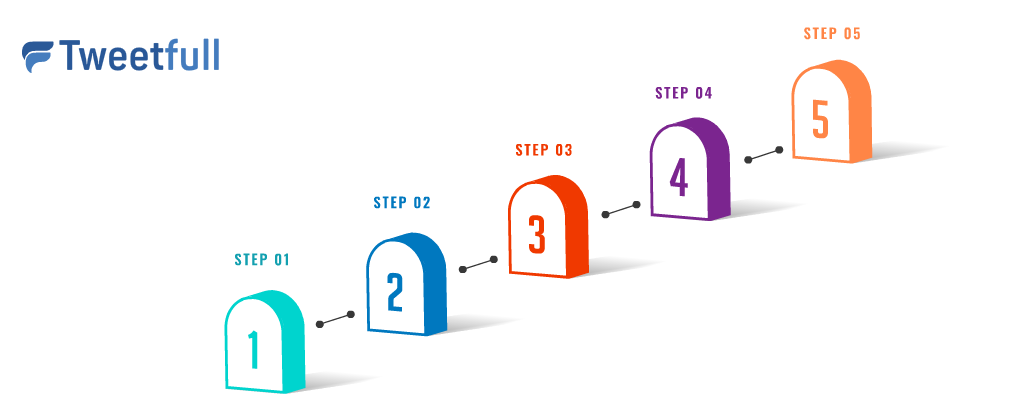
Creating an optimized Twitter background requires careful planning, creativity, and attention to detail. Here are the steps you need to follow:
Step 1: Choose the Right Dimensions
The first step is to choose the right dimensions for your Twitter background. Twitter recommends using an image that is 1500 x 500 pixels in size. This ensures that your background will fit perfectly on all devices, including desktop, mobile, and tablet. Use JPG, PNG, or GIF file formats for Twitter background images to ensure compatibility and quality.
Step 2: Choose the Right Image Format
The second step is to choose the right image format. Twitter supports JPEG, PNG, and GIF files. JPEG is the most common format and works well for images with a lot of detail, such as photos. PNG is best for images with transparency, such as logos. GIF is best for short animations or graphics. Many web-based design tools provide access to premium photos and graphics, sometimes at additional cost.
Step 3: Choose the Right Content
The third step is to choose the right content for your Twitter background. Your background should reflect your brand’s identity, values, and message. It should also be visually appealing and engaging. You can use images, text, graphics, or a combination of these elements to create your background. Just make sure that your content is relevant, high-quality, and consistent with your overall brand image. You can create headers that reflect your personal profile or a new campaign, and regularly updating your background can keep your profile fresh and engaging.
Step 4: Use Brand Colors
The fourth step is to use brand colors in your Twitter background. This helps to reinforce your brand’s identity and creates a cohesive look and feel. You can use tools like Adobe Color to create a color palette that matches your brand’s colors. Use these colors in your background to create a strong visual connection with your brand. Brand consistency can be maintained by aligning the header design with brand colors, fonts, and imagery across platforms. Many platforms offer a free plan with access to customizable templates and design features.
Step 5: Use High-Quality Images
The fifth step is to use high-quality images in your Twitter background. Low-quality images can make your profile look unprofessional and unappealing. Make sure that your images are high-resolution, clear, and visually appealing. You can use free stock image sites like Unsplash, Pexels, or Pixabay to find high-quality images. You don’t need to be a graphic designer to create stunning visuals, as many tools help you save time and create professional results with just a single click.
Step 6: Test Your Background
The final step is to test your Twitter background before publishing it. Make sure that your background looks good on all devices, including desktop, mobile, and tablet. Check for any visual glitches, distortion, or errors. Also, ask for feedback from your followers or colleagues to see if your background resonates with them. Regularly updating your Twitter header can reflect seasonal themes or new campaigns, keeping the profile fresh. You can easily edit your profile to update your Twitter header, and elements from your Twitter background can be adapted for other platforms like Facebook covers or social media posts.
Cross-platform tools allow you to design for Facebook and other platforms, making it easy to repurpose your Twitter background for web and social media marketing.
Twitter Background Best Practices
Here are some best practices to follow:
- Keep it Simple Simplicity is key when it comes to Twitter backgrounds. Avoid cluttering your background with too much information or too many elements. Instead, focus on creating a simple yet visually appealing design that enhances your brand’s message.
- Use Readable Fonts If you choose to include text in your Twitter background, make sure to use readable fonts. Avoid using overly decorative fonts that are hard to read or too small in size. Stick to clear and legible fonts that are easy to read on both desktop and mobile devices.
- Match Your Brand’s Style Your Twitter background should match your brand’s style and personality. If you have a playful brand, use bright colors and fun graphics. If you have a more serious brand, use muted colors and professional images. The key is to create a background that resonates with your target audience.
- Avoid Copyright Infringement Make sure to avoid using copyrighted images or graphics in your Twitter background. Instead, use your own original content or use images from free stock photo sites that allow for commercial use.
- Test Your Background on Different Devices Before publishing your Twitter background, make sure to test it on different devices and screen sizes. This will ensure that your background looks good and is visually appealing on all devices, including desktop, mobile, and tablet.
Creating a Twitter Banner
Designing a Twitter banner is a quick and straightforward process, especially with the help of a Twitter header maker. Start by browsing through a variety of Twitter banner templates to find a style that fits your brand’s message. With a drag-and-drop editor, you can easily customize your chosen template—add your own logo, upload images, and incorporate graphics that reflect your brand’s personality. Users can fully customize the fonts, colors, and layout of their Twitter headers, ensuring the design aligns perfectly with their brand identity. Edit the text and colors to align with your brand identity, ensuring your header is both eye-catching and on-message. The intuitive design tools available today make it possible to create stunning Twitter headers with just a click, even if you have no graphic design experience. Once you’re happy with your custom Twitter header, simply upload it to your profile and watch as your new banner captures attention and boosts engagement. With so many templates and customization options, creating a professional Twitter banner has never been easier.
Frequently Asked Questions on Twitter Background Creation
Can I use my own images for my Twitter background?
Yes, using your own images is a great way to create a personalized Twitter background that matches your brand’s identity and message.
What should I avoid when creating my Twitter background?
You should avoid cluttering your background with too much information or using copyrighted images or graphics. Stick to a simple and visually appealing design that matches your brand’s style and message.
Can I change my Twitter background later on?
Yes, you can change your Twitter background at any time. Just make sure to follow the same best practices outlined in this article.
How can I test my Twitter background on different devices?
You can test your Twitter background on different devices by using a tool like Responsinator or by checking your profile on different devices yourself.
Do I need design skills to create an optimized Twitter background?
No, you don’t necessarily need design skills to create an optimized Twitter background. There are many free tools and resources available that can help you create a professional-looking background, even if you have no design experience.
Can I use my Twitter background for advertising purposes?
Yes, you can use your Twitter background for advertising purposes. Just make sure to comply with Twitter’s advertising policies and guidelines.
What if I don’t have any design skills?
If you don’t have any design skills, there are many online tools and resources available that can help you create a professional-looking Twitter background. Some popular tools include Canva, Adobe Spark, and PicMonkey.
Can I use my Twitter background for other social media platforms?
While Twitter backgrounds are specifically designed for Twitter, you can use elements of your background, such as images or graphics, for other social media platforms. Just make sure to follow the size and format guidelines for each platform.
Should I update my Twitter background regularly?
While it’s not necessary to update your Twitter background regularly, it’s a good idea to refresh your profile’s look and feel every so often to keep your audience engaged and interested.
How can I measure the effectiveness of my Twitter background?
One way to measure the effectiveness of your Twitter background is to track your follower count and engagement metrics before and after making changes to your profile. You can also ask for feedback from your followers to see if your background resonates with them.
Conclusion and Next Steps
In summary, a well-designed Twitter background is essential for creating a strong and engaging online presence. By following the steps outlined in this article, you can create an optimized Twitter background that matches your brand’s style, resonates with your target audience, and enhances your overall profile’s look and feel. Remember to keep it simple, use readable fonts, match your brand’s style, avoid copyright infringement, and test your background on different devices. With these best practices in mind, you’ll be able to create a Twitter background that truly stands out.
Also, check our Twitter automation growth tool to amplify your Twitter presence. Sign up for a free Tweetfull tool trial to grow your Twiiter followers today.
Creating stunning Twitter headers is a key step in building a strong and engaging online presence. By understanding the essentials of Twitter header designs, leveraging header makers, and customizing templates, you can create visually appealing headers that capture attention and boost engagement. Users can preview their Twitter header designs in real-time before downloading them, ensuring the final product meets their expectations. Don’t wait—start creating your own custom Twitter headers today to make your profile stand out. With the right tools and a bit of creativity, you can design Twitter headers that reflect your brand’s identity and message, keeping your profile fresh and inviting. Remember to update your Twitter header regularly to maintain interest and showcase new campaigns or updates. By following these tips and best practices, you’ll be well on your way to creating Twitter headers that not only look stunning but also help your brand thrive on social media.